Oslo – Linderud Community Garden
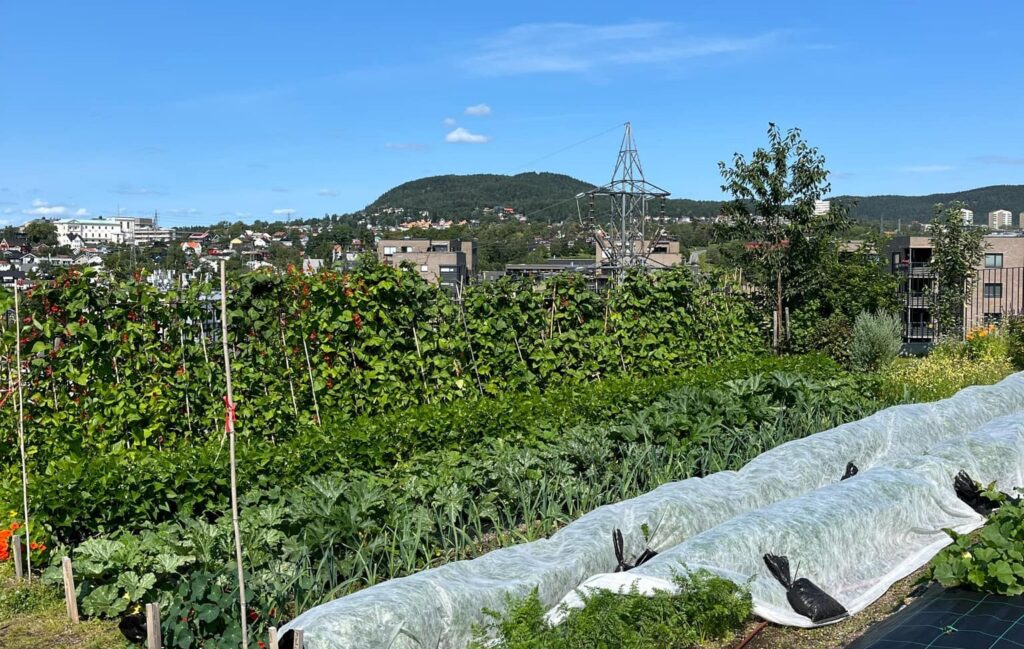
Linderud Gård community garden is a valuable yet underutilized resource for biodiversity, community engagement, and cultural-environmental awareness. Despite its historical significance, the garden faces challenges such as limited accessibility, fragmented education programs, and low community involvement. In NatureScape project, we will establish an NBS T-lab at Linderud Gård, transforming it into a heritage-integrated, community-driven hub for biodiversity and urban agriculture.
Lublin – Rain Gardens
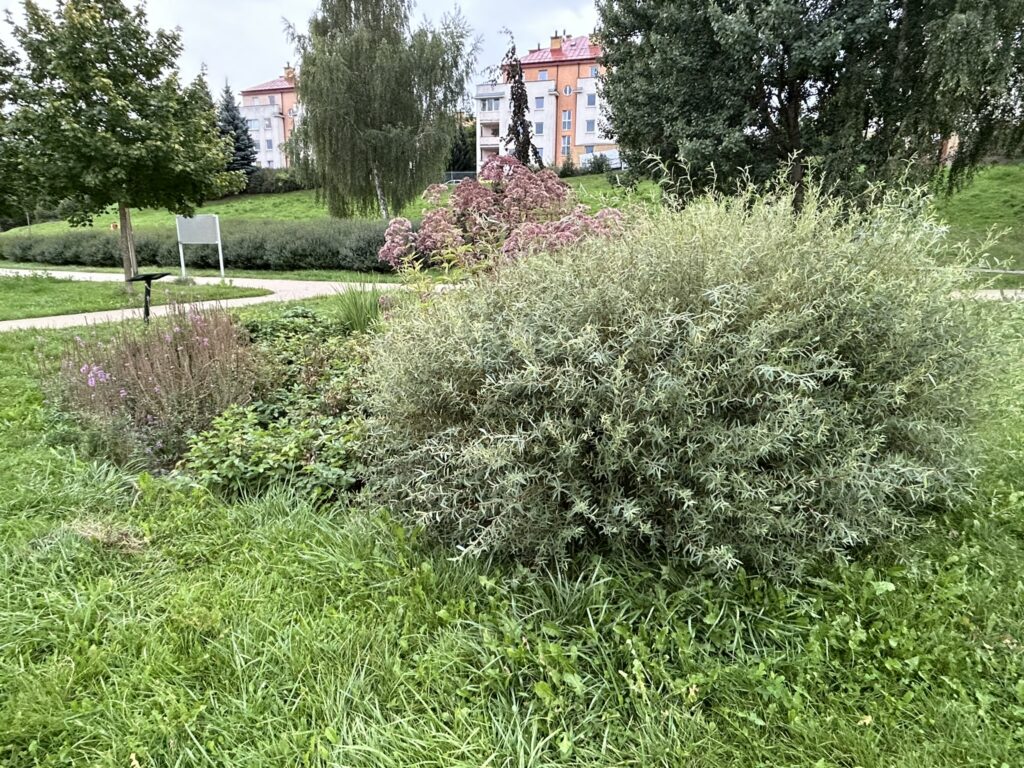
Lublin’s initiative focuses on mitigating urban runoff through strategically placed rain gardens. NatureScape will explore six such gardens, assessing their ecological benefits and community impact, striving for enhanced water management and public engagement..
Milan – Il Giardino Nascosto – The Hidden Garden
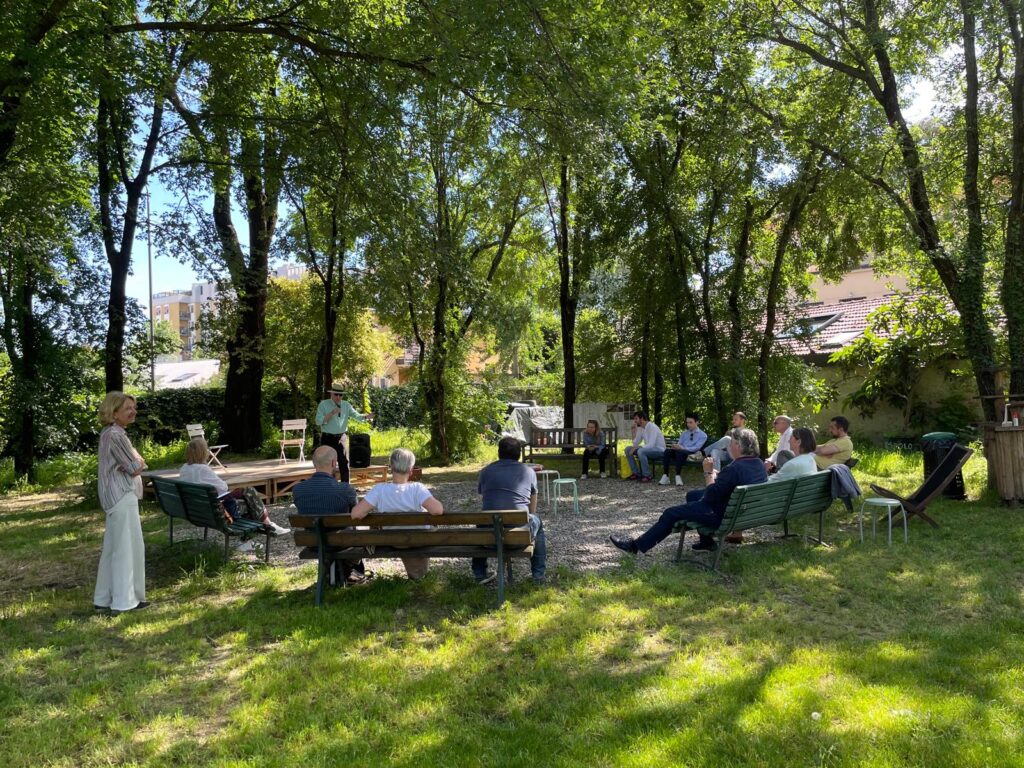
This community-driven park exemplifies the potential of grassroots movements in transforming urban spaces. NatureScape will delve into the garden’s multifunctional benefits, emphasizing community well-being and biodiversity.
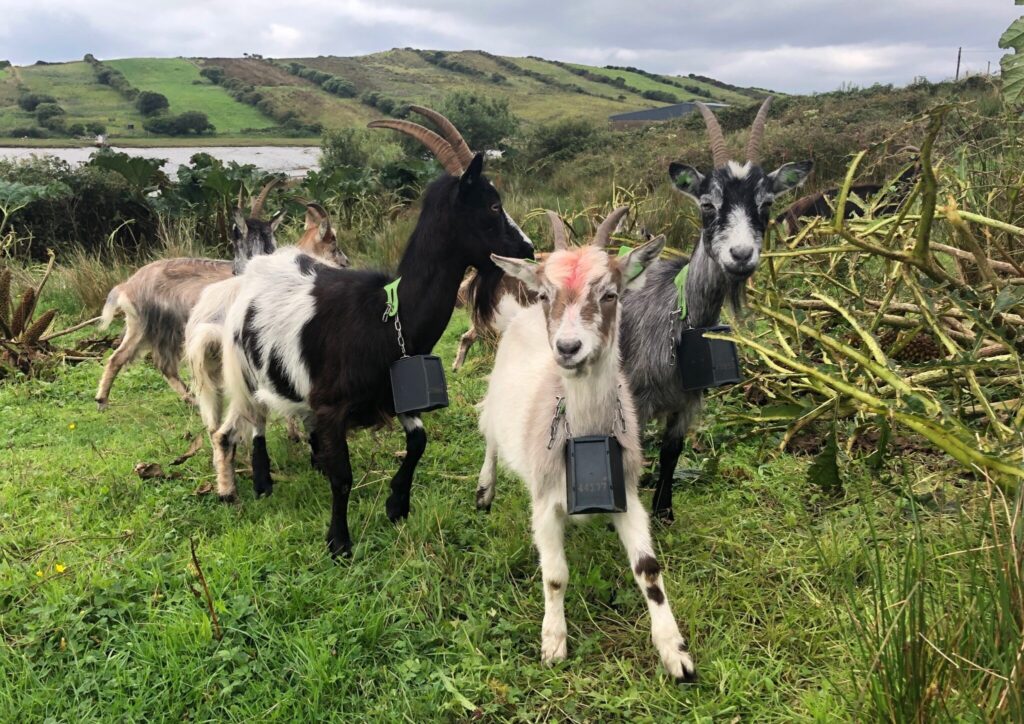
Dublin – Indigenous Wild Irish Goats
Dublin’s innovative approach to controlling vegetation through indigenous goats showcases alternative NBS strategies. NatureScape will evaluate the ecological and social implications of such interventions, highlighting the integration of traditional practices in contemporary conservation efforts.
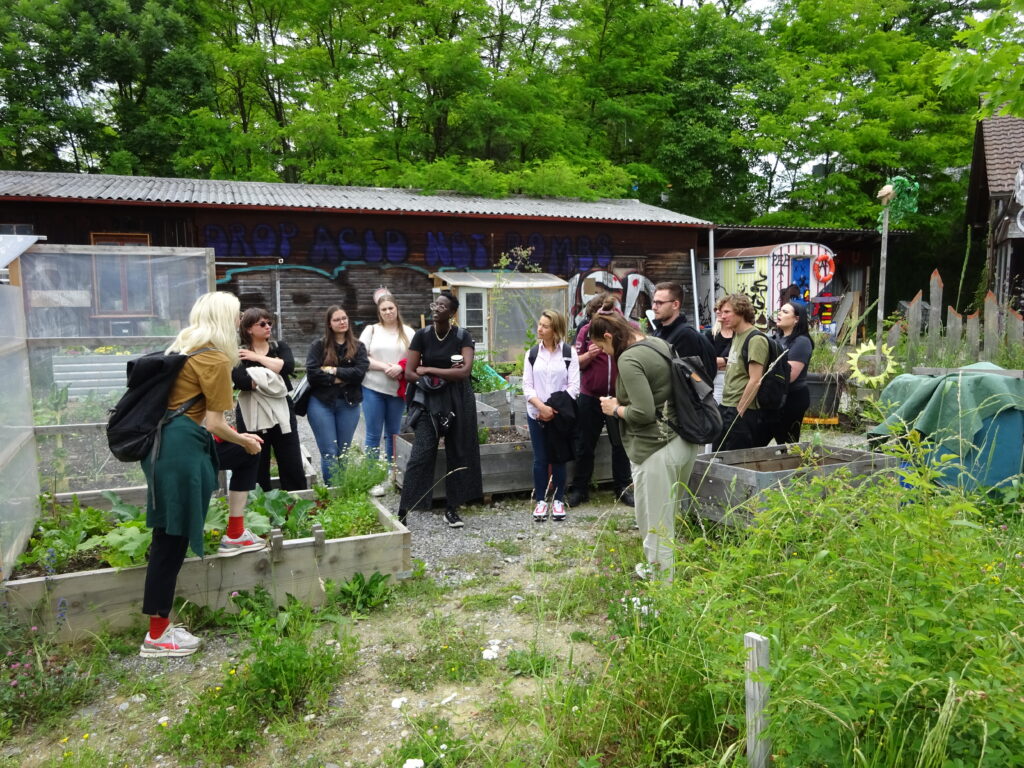
St. Gallen – Community-led Urban Gardening
Transforming a former car park into a community garden underscores St. Gallen’s focus on local food production and social engagement. NatureScape aims to amplify this initiative’s impact on urban biodiversity and community well-being.
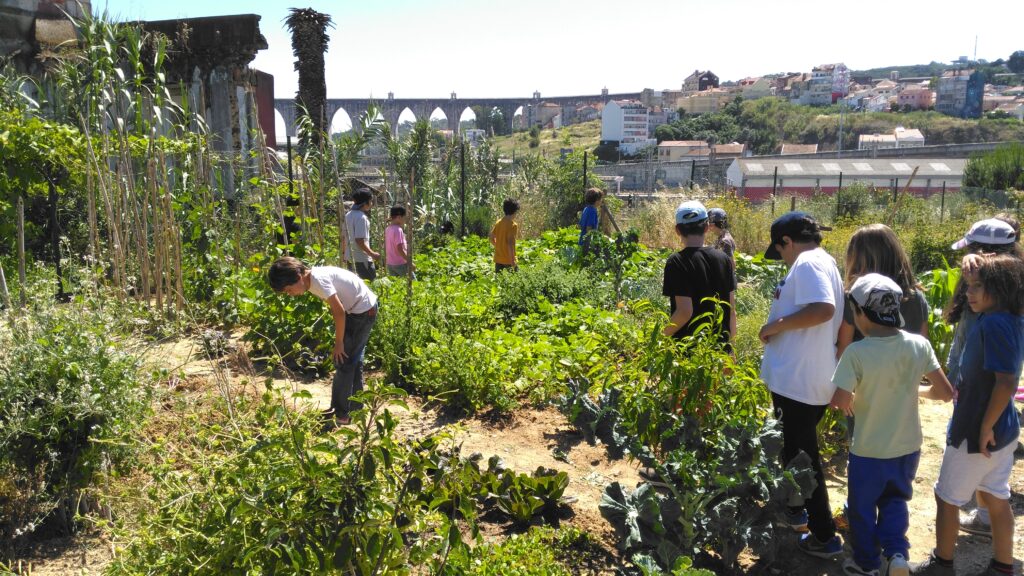
Lisbon – Diverse NBS Interventions
Lisbon’s array of small-scale NBS interventions [ presents an opportunity for NatureScape to assess their collective impact on urban fabric, focusing on climate resilience, biodiversity enhancement, and social inclusivity
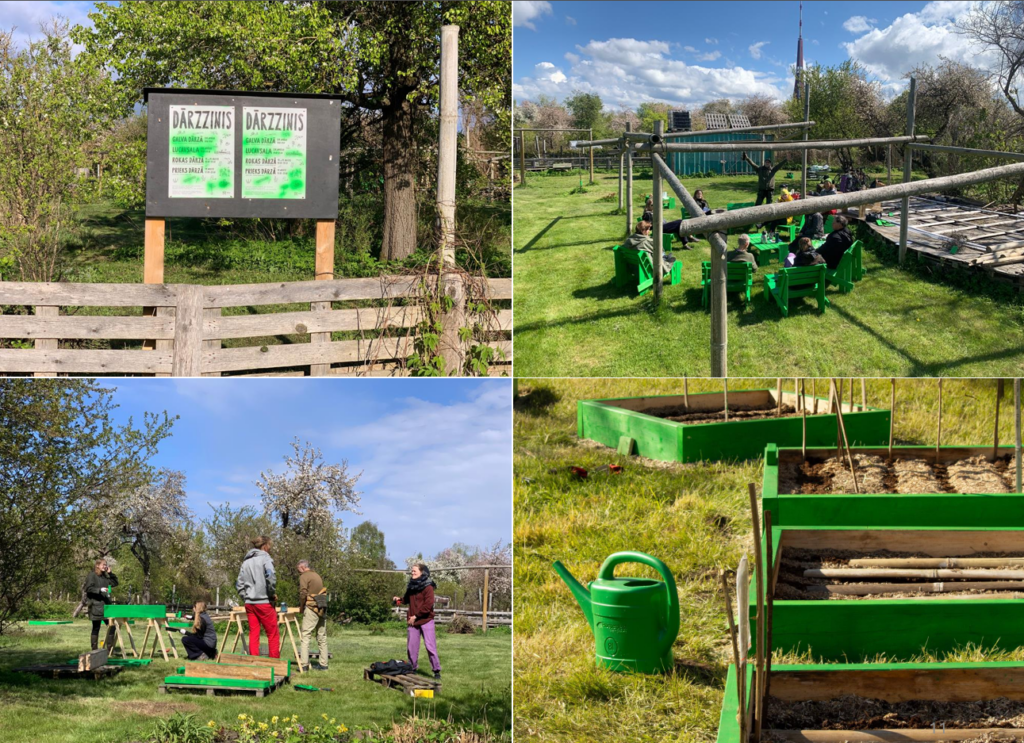
Riga – Urban Island Community Garden ‘Lucavsala’
The Riga T-Lab is situated on Lucavsala, an urban island shaped by a long history of garden allotments, informal land use, and seasonal inhabitation. The T-lab intends to explore how the Lucavsala community garden can function as a dynamic socio-ecological system and cultural hub, connecting local initiatives with municipal and EU planning agendas. Central to the lab is the challenge of sustaining this evolving landscape over time, amid fragile land tenure, diverse stakeholder interests, and the need for adaptive and flourishing governance and funding models.